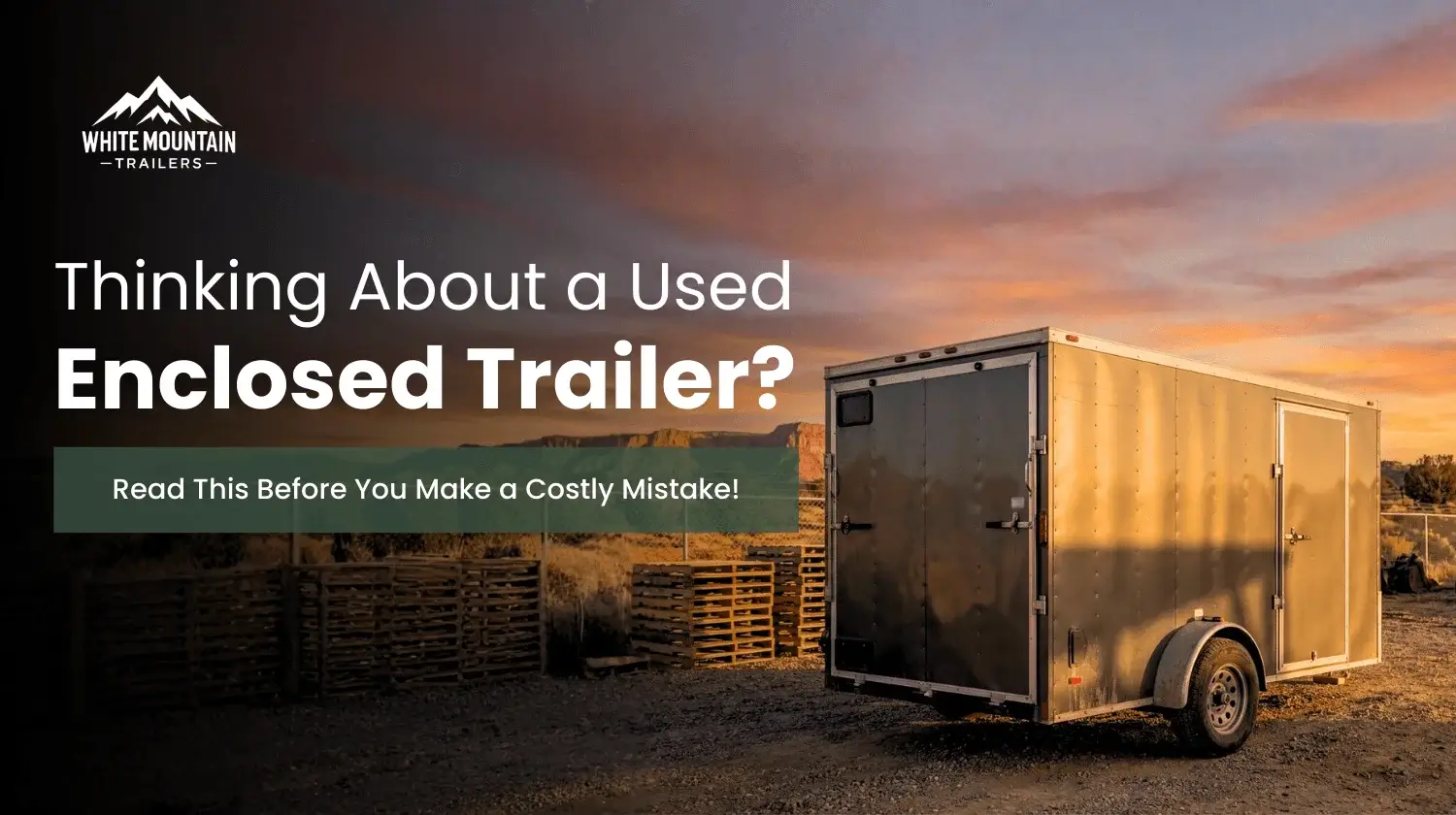
Buying a used enclosed trailer can look like an easy win, especially when you’re trying to save money or need something quickly. At first glance, the lower price and immediate availability seem appealing. But many buyers rush into a purchase without fully understanding the risks involved, and that’s where costly mistakes happen.
A used trailer can either serve you well for years or become a constant source of repairs, delays, and frustration. The key is knowing what to check, what questions to ask, and when it’s better to walk away. This guide breaks everything down so you can make a smart, informed decision.
Why People Look for a Used Enclosed Trailer
Most buyers start searching for a used option with good intentions. Rising equipment costs and tight budgets push people toward second-hand markets, especially when they don’t plan to use the trailer daily.
Common reasons include:
- Lower upfront cost compared to new models
- Quick availability without long wait times
- One-time or occasional use
- Belief that trailers don’t wear out easily
Because of this mindset, many people browse used enclosed cargo trailers for sale without realizing how much the condition can vary from one unit to another.
The Hidden Costs Behind a “Good Deal”
A low price doesn’t always mean value. Many used trailers come with problems that aren’t obvious during a quick walk-around inspection.
Hidden costs often include:
- Frame or structural repairs
- Replacing worn tires and brakes
- Axle or suspension damage from overloading
- Floor rot caused by water leaks
- Electrical issues with lights and wiring
These repairs add up quickly and can turn a cheap purchase into an expensive headache. This is especially common when buyers rush through listings for used cargo trailers for sale without doing a full inspection.
What to Inspect Before Buying
Before committing to a used enclosed trailer, inspection is critical. Even trailers that look clean on the outside may hide serious issues underneath.
Frame and Structure
Check the frame for rust, cracks, bends, or uneven welds. Structural damage affects safety and is often costly to fix.
Axles, Tires, and Suspension
Uneven tire wear can point to axle or alignment problems. Weak suspension components reduce stability and make towing unsafe.
Roof, Walls, and Floor
Water damage is one of the biggest problems in used trailers. Look for soft flooring, stains, warped panels, or musty smells.
Doors and Hardware
Doors should open and close smoothly. Worn hinges, weak locks, or misaligned doors reduce security and usability.
Common Mistakes Buyers Make
Many buyers regret their purchase not because they chose used but because they skipped important steps.
Frequent mistakes include:
- Judging condition based on appearance alone
- Skipping a detailed inspection
- Ignoring weight ratings and capacity limits
- Not asking how the trailer was used before
- Rushing the decision due to a “great price”
These mistakes are especially common when buyers browse multiple used cargo trailers quickly without slowing down to evaluate each one properly.
Questions You Should Always Ask the Seller
Before you buy, get clear answers to these questions:
- How was the trailer used personal or commercial?
- Has it ever been in an accident or needed major repairs?
- Are there maintenance or service records available?
- Why is the trailer being sold?
- Is the VIN clear and properly registered?
If a seller avoids these questions or gives unclear answers, it’s usually best to move on to other used enclosed trailers instead of taking a risk.
Used vs New: What’s the Real Difference?
The biggest difference between used and new trailers isn’t just cost it’s reliability and peace of mind.
New trailers offer:
- Warranty protection
- Known usage history
- Updated safety standards
- Longer expected lifespan
Used options may cost less upfront, but they come with uncertainty. For buyers who need consistent performance, reliability often outweighs short-term savings.
When Renting Makes More Sense Than Buying Used
Buying a used enclosed trailer isn’t always the best solution, especially for short-term needs.
Renting is often a better option when:
- You only need a trailer for a move or single project
- You want to avoid repair and maintenance costs
- Storage space is limited
- Your schedule cannot afford breakdowns
Renting provides predictable costs and dependable equipment without long-term commitment.
Who Should Avoid Buying Used
Used trailers aren’t suitable for everyone. You may want to avoid buying used if:
- You are a first-time trailer owner
- You rely on the trailer for daily or business use
- You don’t have experience inspecting equipment
- You’re working under tight deadlines
In these cases, reliability matters more than saving money upfront.
Smarter Alternatives to Buying Used
If buying used feels risky, consider these alternatives:
- Renting for short-term or urgent needs
- Rent-to-own programs
- Purchasing new with warranty support
- Working with established trailer providers
Each option reduces uncertainty and helps avoid expensive surprises.
Final Checklist Before You Decide
Before purchasing a used trailer, review:
- Total cost, including possible repairs
- Inspection results
- How often do you use the trailer
- Your comfort level with maintenance and downtime
Taking time to evaluate these points helps you avoid regret later.
Final Thoughts
A used enclosed trailer can be a solid purchase, but only when approached carefully. Rushing into a deal without proper checks often leads to repairs, delays, and extra expenses. By understanding what to inspect and when to consider other options, you protect both your budget and your time. Making the right choice now saves you from a costly mistake later.
Before you spend money on a used trailer, make sure you’re choosing the safer option. WMTrailers offers reliable solutions that help you avoid unexpected repairs and downtime. Contact WMTrailers today to get guidance you can trust and move forward with confidence.
Frequently Asked Questions
1. Is buying a used enclosed trailer always risky?
Not always, but the risk is higher if the trailer hasn’t been inspected properly. Issues like frame damage, water leaks, or worn axles may not be visible at first and can lead to costly repairs later.
2. What should I inspect first on a used enclosed trailer?
Start with the frame, flooring, roof, axles, and tires. These areas affect safety and performance the most and are usually the most expensive to fix if damaged.
3. Are enclosed cargo trailers for sale a good option for businesses?
They can be, but only if reliability isn’t critical. For daily or commercial use, breakdowns and downtime can cost more than the initial savings from buying used.
4. When does renting make more sense than buying used?
Renting is a better choice for short-term moves, one-time projects, or situations where you don’t want to deal with maintenance, storage, or unexpected repairs.
5. Can I save money long-term by avoiding used cargo trailers?
Yes. While used cargo trailers may cost less upfront, repair costs, maintenance, and lost time can exceed the price difference over time, especially if the trailer has hidden issues.