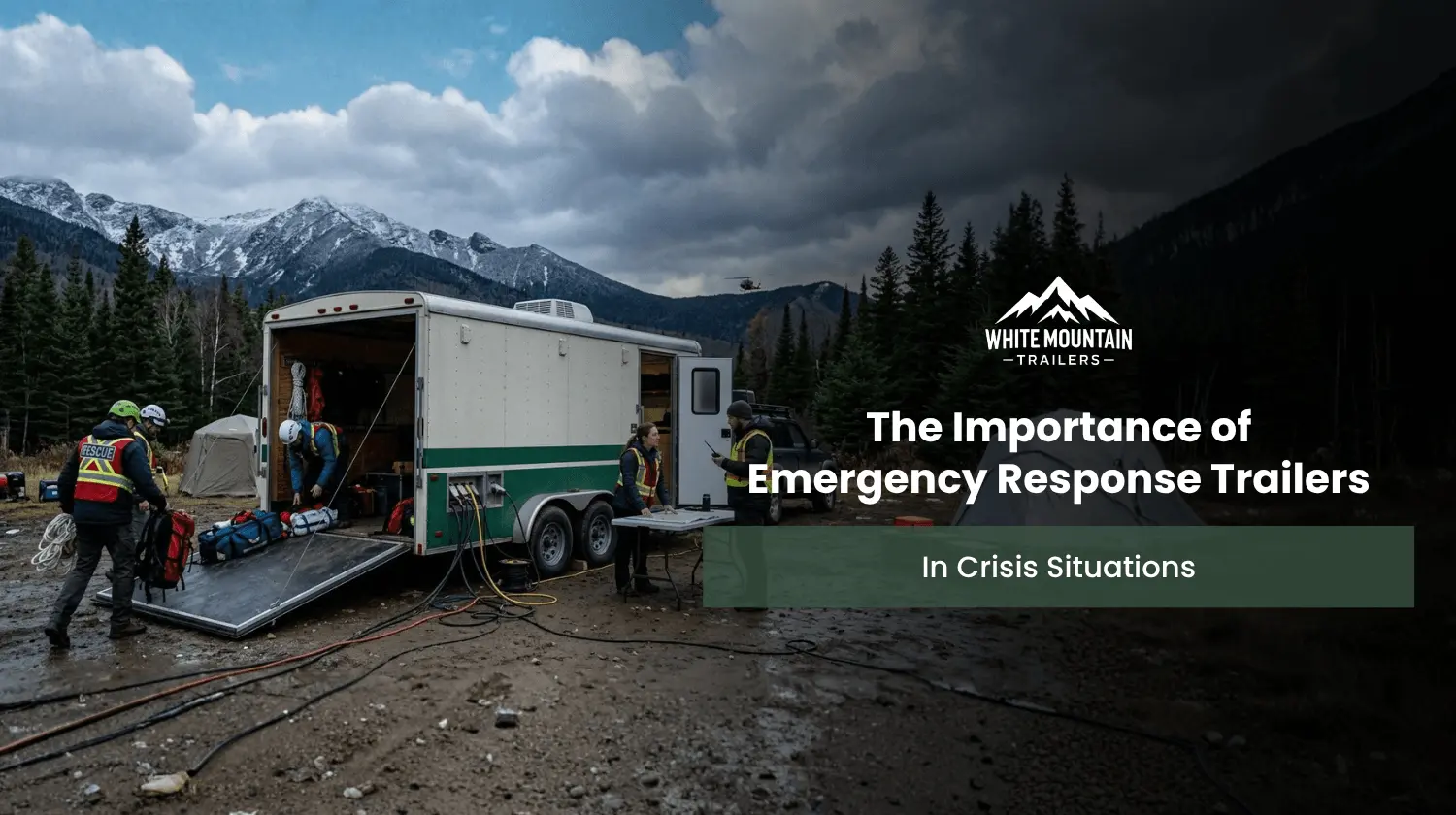
Crises can arise without warning and often bring chaos, urgency, and uncertainty. Natural disasters such as floods, earthquakes, and hurricanes, as well as man-made emergencies like industrial accidents or large-scale public disruptions, require immediate and organized responses. In such moments, having the right infrastructure in place can significantly impact how effectively the situation is managed.
One of the most overlooked yet essential elements in emergency preparedness is access to mobile, reliable facilities. Emergency response trailers play a critical role in supporting both responders and affected individuals by providing sanitation, shelter, and operational support where permanent infrastructure is unavailable or damaged.
Without proper facilities, even the most well-coordinated emergency response can face serious challenges. This is why these trailers are not just useful; they are vital.
What Are Emergency Response Trailers?
These mobile units are designed to provide essential services during crises. They are built to be quickly transported and deployed wherever needed, offering immediate support in areas where traditional infrastructure is either unavailable or compromised.
These trailers come in various forms, each serving a specific purpose:
- Restroom trailers: Provide clean and hygienic toilet facilities
- Shower trailers: Allow individuals and responders to maintain personal hygiene
- Medical units: Equipped for first aid and basic treatment
- Command centers: Serve as operational hubs for coordination and communication, often referred to as emergency command trailers
- Portable sanitation units: Include sinks and handwashing stations
Each trailer is typically equipped with important features such as water supply systems, waste management solutions, power sources, lighting, and climate control. These features ensure that the trailers remain functional even in harsh or unpredictable conditions.
Why Emergency Trailers Are Essential in Crisis Situations
Rapid Deployment Saves Critical Time
In emergencies, time is one of the most valuable resources. These trailers are designed for quick transportation and setup, allowing teams to establish essential services within a short period.
Instead of waiting for temporary structures to be built or relying on damaged infrastructure, responders can deploy them immediately. This quick action helps stabilize the situation and provides immediate relief to those affected. Many organizations rely on mobile emergency response trailers because of their speed and flexibility in urgent deployments.
Maintaining Hygiene and Preventing Disease
One of the biggest risks during a crisis is the spread of disease due to poor sanitation. When large groups of people are displaced or gathered in temporary shelters, access to clean restrooms and handwashing facilities becomes crucial.
Emergency response trailers help maintain hygiene standards by offering:
- Clean and safe restroom facilities
- Handwashing stations with running water
- Proper waste disposal systems
By ensuring sanitation, these trailers reduce the risk of infections and help protect both victims and responders. In large-scale operations, disaster response trailers are essential in maintaining public health standards.
Supporting Emergency Response Teams
Emergency personnel often work long hours under stressful and physically demanding conditions. Providing them with proper facilities is essential for maintaining their efficiency and well-being.
Trailers offer responders:
- Comfortable restrooms and showers
- Climate-controlled environments
- Functional spaces to regroup and plan
When responders have access to these facilities, they can perform their duties more effectively and with less fatigue.
Improving Conditions for Affected Individuals
In times of crisis, people often lose access to necessities. These trailers help restore a sense of normalcy by providing clean, private, and safe facilities.
This is especially important for:
- Families in temporary shelters
- Individuals with medical needs
- Vulnerable populations such as children and the elderly
Providing these services helps preserve dignity and reduces additional stress during already difficult circumstances. In many humanitarian efforts, mobile disaster relief trailers are used to support displaced communities efficiently.
Key Features That Make Emergency Trailers Effective
The effectiveness of these trailers comes from their thoughtful design and practical features. Each component is built to perform reliably in challenging environments.
Durable Construction
Trailers are made with strong materials such as reinforced steel frames and weather-resistant exteriors. This ensures they can withstand harsh conditions and frequent relocation.
Water Systems
They include fresh water storage, greywater systems, and on-demand hot and cold water. This allows continuous operation even in remote areas.
Climate Control
Heating and cooling systems keep the interior comfortable regardless of weather conditions, making them suitable for year-round use.
Ease of Maintenance
Interiors are designed to be easy to clean and maintain, which is essential during high-usage situations.
Mobility
Compact and transport-friendly designs make it easy to move trailers quickly from one location to another.
Accessibility Options
Many trailers include ADA-compliant features to ensure accessibility for individuals with disabilities.
Common Use Cases
Emergency response trailers are used across a wide range of situations, making them highly versatile.
Natural Disasters
During floods, earthquakes, or hurricanes, infrastructure is often damaged or destroyed. Trailers provide immediate sanitation and support in affected areas.
Construction Site Emergencies
In case of accidents or unexpected disruptions, trailers ensure that workers still have access to essential facilities.
Large Public Events
Events with large crowds can sometimes turn into emergency situations. Having trailers on-site ensures preparedness for any unexpected incident.
Disaster Relief Operations
Relief organizations rely on these trailers to set up temporary facilities in affected regions.
Remote Locations
In areas far from urban infrastructure, trailers provide necessary support for both planned operations and emergency responses.
Customization for Different Crisis Needs
Every emergency is different, and flexibility is key. Emergency response trailers can be customized to meet specific requirements.
Customization options may include:
- Adjusting the layout based on the number of users
- Adding extra sinks or sanitation stations
- Installing additional lighting for nighttime operations
- Incorporating storage space for supplies
- Branding for municipal or organizational use
This adaptability ensures that the trailers can serve effectively in a variety of scenarios, from small-scale incidents to large disaster responses.
Benefits for Organizations and Authorities
Organizations that invest in these trailers gain several advantages.
Improved Efficiency
With essential facilities readily available, response teams can focus on their tasks without unnecessary delays.
Professional Image
Providing clean and organized facilities reflects professionalism and builds public trust.
Compliance with Regulations
Health and safety regulations often require proper sanitation facilities. Trailers help meet these standards even in temporary setups.
Long-Term Cost Savings
Having reliable equipment reduces the need for repeated temporary arrangements, saving time and resources in the long run.
Choosing the Right Emergency Response Trailer
Selecting the right trailer requires careful consideration of several factors.
Size and Capacity
Choose a trailer that can accommodate the expected number of users without overcrowding.
Mobility
Ensure the trailer can be easily transported to different locations.
Durability
Look for high-quality materials that can handle frequent use and tough environments.
Maintenance Needs
Opt for designs that are easy to clean and maintain during extended operations.
Customization Options
Consider whether the trailer can be adapted to your specific needs.
Working with experienced manufacturers is important, as they understand real-world challenges and can provide solutions that perform reliably in critical situations.
Future of Emergency Response Solutions
As global challenges continue to evolve, the demand for efficient emergency response solutions is increasing. Climate change, urban expansion, and population growth are contributing to more frequent and complex emergencies.
Emergency response trailers are also evolving to meet these demands. Future developments may include:
- More energy-efficient systems
- Advanced water recycling solutions
- Improved mobility and faster deployment mechanisms
- Integration of smart technology for monitoring and management
These advancements will further improve the effectiveness and reliability of emergency response efforts.
Conclusion
Emergencies require swift action, meticulous planning, and dependable support systems. Emergency response trailers play a crucial role in providing essential services when they are needed most.
From maintaining hygiene and supporting responders to improving conditions for affected individuals, these trailers play a crucial role in modern emergency management. Their ability to be deployed quickly, operate efficiently, and adapt to different scenarios makes them an invaluable resource.
Investing in high-quality trailers is not just about preparedness; it is about ensuring safety, dignity, and efficiency during some of the most challenging moments people may face.
Be prepared for any crisis with reliable, high-performance solutions from White Mountain Trailers. Get in touch today to discuss your needs and request a custom-built emergency response trailer.
FAQs
What is an emergency response trailer used for?
It is used to provide mobile facilities such as restrooms, showers, and sanitation during emergencies or disaster situations.
How quickly can these trailers be deployed?
Most trailers are designed for rapid deployment and can be operational within a short time after arrival.
Are emergency response trailers suitable for long-term use?
Yes, they are built for both short-term emergencies and extended operations.
Can these trailers be customized?
Yes, they can be modified to meet specific needs, including layout, features, and additional equipment.