Maintaining strict regulatory compliance isn’t just an administrative requirement—it is the operational baseline for protecting human health, preserving workforce productivity, and avoiding catastrophic legal liabilities. Whether managing a sprawling multi-acre construction zone, overseeing an agricultural harvest site, or orchestrating a major public festival, site operators face massive pressure to deliver dependable, high-volume hygiene infrastructure.
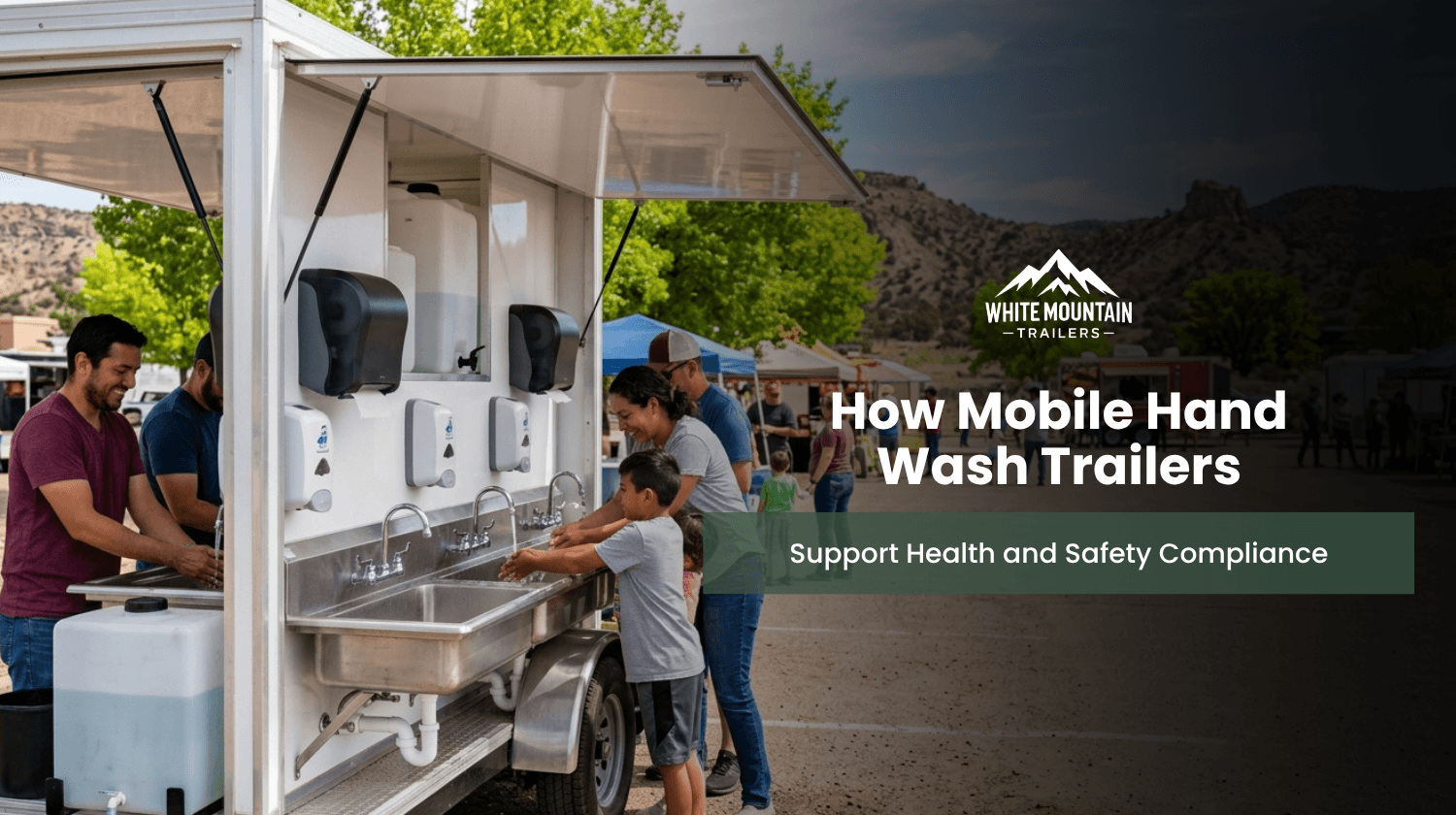
Traditional field solutions, such as basic single-occupant plastic chemical toilets with attached foot-pump spigots, consistently fail to meet modern health and safety metrics under intense, high-traffic use. Deploying advanced, commercial-grade mobile hand wash trailers replaces vulnerable makeshift sanitation setups with reliable, self-contained running water infrastructure. These multi-station units ensure that your project site or public gathering remains fully aligned with strict federal, state, and municipal health guidelines.
Meeting Strict OSHA Standards on Commercial Job Sites
For industrial project managers, safety compliance is heavily governed by the Occupational Safety and Health Administration (OSHA). Under federal sanitation standard 29 CFR 1926.51, employers on construction sites are legally mandated to provide adequate, highly accessible washing facilities for employees working with hazardous materials, paints, coatings, or general site debris.
Standard portable single-basin sinks often run out of water quickly or freeze during early morning winter shifts, resulting in costly compliance violations. High-output job site hand wash trailers address this vulnerability by providing high-capacity onboard freshwater cells or direct city-water hookups to guarantee reliable water flow. They also feature real warm-water processing with internal heating elements to meet mandatory warm-water handwashing regulations, alongside touchless sanitary hardware like foot pedals or infrared sensor faucets to prevent cross-contamination between field crews.
Elevating Food Safety Protocols at Agricultural Sites & Public Festivals
For public event coordinators and commercial food prep operators, compliance standards shift toward FDA Food Code frameworks and local department of health ordinances. Any space where food is actively harvested, handled, or served to the public demands hospital-grade sanitization setups.
Basic hand sanitizers do not kill specific, dangerous food-borne pathogens like Norovirus or Cryptosporidium. Integrating portable hand washing stations for events and agricultural fields ensures that workers and patrons can physically scrub away soil, grease, and biological contaminants under real running water. Furthermore, premium fleets offer ADA compliant hand wash trailers featuring lowered counters, extended clearance plumbing, wrap-around stainless steel grab bars, and exterior entry ramps to ensure your public gathering achieves total accessibility compliance alongside structural health mandates.
Operational Limits: Sinks vs. Multi-Station Trailers
When staging infrastructure for a high-occupancy layout, the structural limits of your hand washing gear will determine your long-term site compliance stability. While standard plastic sinks offer a single basin with extremely limited capacity (typically 15 to 22 gallons), commercial multi-station hand wash trailers feature high-output storage cells ranging from 100 to over 500 gallons to handle high-volume shifts without constant refilling.
Additionally, water temperature control in basic plastic sinks is completely passive, leaving water prone to freezing during cold snaps. Commercial trailers utilize regulated, on-demand heating systems to supply continuous warm water between 100°F and 120°F. This setup completely eliminates the long operational lines and bottlenecks that happen during mandatory crew breaks when using single-user configurations.
Immediate Disaster Remediation & Emergency Response
When hurricanes, floods, or municipal water line failures cut off a community’s standard infrastructure, local health codes do not simply vanish. Healthcare networks, temporary shelters, and utility repair crews still require robust sanitization layouts to prevent the spread of secondary transmissible diseases.
Deploying towable emergency hand wash trailers creates immediate, highly modular temporary hand washing facilities right where local water grids have collapsed. Because these units travel on heavy-duty highway tires, response teams can navigate rough terrain and establish fully functional, off-grid hygiene zones within minutes of arrival. This swift deployment protects field crews and displaced residents, ensuring site safety parameters remain stable throughout the active recovery lifecycle.
Secure Your Site’s Safety Compliance Foundation
Leaving your facility’s safety status to under-built, low-capacity plastic foot-pump basins introduces unnecessary compliance risks and leaves your crew exposed to cross-contamination hazards. Investing in premium commercial hand wash trailers delivers a clean, temperature-controlled, and highly professional hygiene environment that protects your staff and keeps regulators satisfied.
Whether you are looking to secure a temporary hand wash trailer rental for an upcoming construction phase or searching for a ruggedized hand wash trailer for sale to fortify your permanent corporate emergency response fleet, selecting the right equipment build is crucial. Site operators can optimize their layouts by analyzing peak occupancy counts and reviewing localized health code requirements to deploy the ideal multi-station washing platform for their next project.