Managing a temporary facility—whether it is an off-grid construction zone, an emergency disaster relief shelter, a seasonal agricultural field, or a short-term infrastructure project—presents complex logistical challenges. Without permanent plumbing, site managers often prioritize primary utilities like power and temporary shelters while overlooking a critical pillar of site safety: dependable sanitation.
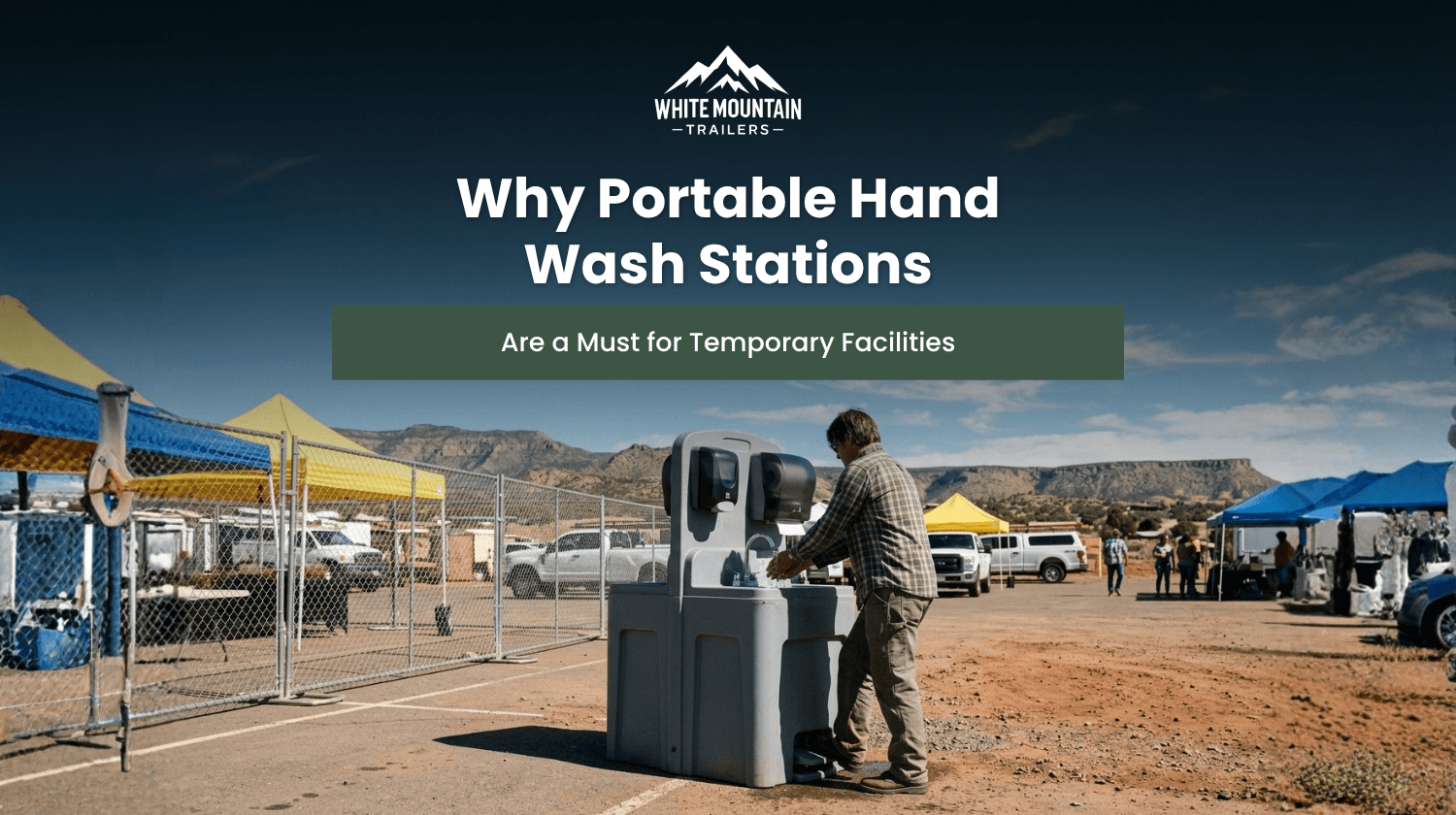
Relying on hand sanitizer or expecting crews to walk long distances to access a permanent bathroom creates severe operational vulnerabilities. Deploying dedicated portable hand washing stations across temporary setups is a fundamental operational requirement. These units protect worker health, ensure continuous workflow productivity, and safeguard your organization against costly regulatory penalties.
1. Mitigating Cross-Contamination and Site Sickness
The primary argument for integrating outdoor hand washing stations into temporary workspaces is simple biological defense. When crews work outdoors, they frequently handle hazardous chemicals, biological materials, soil, and machinery oils. Without a dedicated space to physically scrub away these contaminants, workers risk ingesting dangerous toxins during lunch breaks or spreading transmissible illnesses throughout the team.
[Contaminated Hands] ──> [Hand Sanitizer Only] ──> [Pathogens Redeposited]
│
[Contaminated Hands] ──> [Real Running Water] ──> [Complete Safe Removal]
While hand sanitizer gels are convenient, they are fundamentally limited. Sanitizer does not dissolve heavy grease, remove physical mud, or kill specific, highly contagious pathogens like Norovirus. Providing a standalone portable sink with running water gives your personnel the tools to properly wash with soap and water, breaking the cycle of cross-contamination and preventing team-wide illness outbreaks that can derail your project timelines.
2. Navigating Strict Health and Safety Compliance Codes
Operating a temporary facility does not excuse an organization from meeting state and federal safety mandates. In industrial settings, regulatory bodies like OSHA strictly enforce compliance regarding workplace hygiene. Under standard 29 CFR 1926.51, employers are legally required to provide adequate, clean washing facilities for employees working on any job site.
Regulatory Factor | Standard Plastic Units (Foot-Pump) | Commercial Multi-Station Hand Wash Trailers |
Water Supply Capacity | Low-capacity reservoirs (15–20 gallons); requires frequent, daily service turnarounds. | High-Volume Delivery: Onboard tanks holding 100 to over 500 gallons to survive long shifts. |
Temperature Control | Passive water temperatures; prone to freezing solid during cold seasonal shifts. | Regulated On-Demand Heat: Internal heating elements supply reliable, warm water (100°F–120°F). |
Wastewater Defense | Simple holding chambers vulnerable to leaks or localized environmental run-off. | Integrated Waste Isolation: Completely sealed graywater tanks with external drainage valves. |
Failing to deliver accessible, warm-water temporary hand washing facilities can result in immediate site shutdowns, severe financial penalties, and increased insurance liabilities. Using professional commercial hand wash stations guarantees that your site operations remain entirely within legal boundaries.
3. Optimizing Workflow Efficiency and Personnel Productivity
Time spent walking across a large, multi-acre project site to look for a sink is directly lost production time. If a worker has to trek 15 minutes across a compound just to rinse their hands before eating or returning to a precise task, your project hemorrhages billable hours every single day.
Strategic placement of mobile sanitation stations near primary work zones, break tables, and restroom clusters solves this operational bottleneck.
Furthermore, using multi-station hand wash trailers lets several team members clean up simultaneously during mandatory shift breaks. This setup eliminates the long lines and delays that happen with single-user basins, keeping your team comfortable, focused, and moving forward on schedule.
4. Rapid Deployment for Emergency and Disaster Response
When unexpected crises hit a community—such as severe weather damage, flash floods, or municipal water grid collapses—local healthcare facilities, utility crews, and distribution points must step in immediately. In these high-stress situations, establishing clean, off-grid portable hygiene stations is vital to prevent secondary health emergencies from spreading through the area.
Because professional emergency hand wash trailers travel on heavy-duty highway tires, response teams can easily tow them over rough terrain and set them up within minutes of arriving. This immediate mobility ensures that your emergency response base remains sanitary, safe, and fully capable of assisting the public throughout the entire recovery timeline.
Secure Your Facility’s Sanitation Infrastructure
Leaving your temporary facility’s safety and regulatory standing to basic hand sanitizers or under-built equipment introduces unnecessary risks to your operations. Investing in a professional portable sink rental or a dedicated multi-station trailer delivers a clean, reliable, and compliant hygiene solution that protects your crew and keeps your project moving forward without delay.
Ready to optimize your site’s safety footprint? Reach out to a certified portable sanitation provider today to analyze your team’s peak shift counts, review localized health codes, and deploy the perfect washing infrastructure for your temporary facility.