Planning sanitation is an important part of preparing a construction site. Workers need convenient, accessible restroom facilities throughout the workday, whether the project involves a small residential build, a commercial development, or a large construction site with multiple crews.
Choosing the right construction site toilets involves more than estimating the number of workers. Project duration, site layout, access for servicing, available utilities, and the type of facility all influence which solution will work best.
For contractors and project managers in Northern Arizona, including Show Low and surrounding communities, planning these details early can help avoid unnecessary changes once work is underway. White Mountain Trailers is a family-run business with two generations of trailer-building experience, offering mobile restroom and custom trailer solutions for different operational needs.
This guide explains the main factors to consider when choosing restroom facilities for a construction project.
1. Start With the Number of Workers on Site
The first step is to estimate how many people will regularly use the facilities.
A site with a small crew has different sanitation requirements from a project with several contractors, subcontractors, and rotating shifts. Consider the total number of workers expected on site during the busiest part of the day, rather than relying only on the initial crew size.
Also consider whether multiple teams work in different areas. If workers are spread across a large site, one restroom location may not be convenient for everyone.
Before requesting a quote, establish:
- The average number of workers on site each day
- The maximum expected workforce
- Whether multiple shifts will operate
- Whether subcontractors or visitors will use the facilities
- Whether the workforce is expected to increase during the project
These details provide a more useful starting point for comparing restroom options.
2. Consider the Length of the Project
Project duration can influence the type of restroom facility that makes sense.
For a short project, a basic temporary sanitation arrangement may meet the site’s needs. Longer projects may require a more planned facility setup, particularly when workers use the same site for several months.
Ask how long the facilities will be needed and whether the project schedule includes different phases. A site may begin with a small crew and later expand as additional trades arrive.
Longer projects should also account for ongoing servicing, waste management, cleaning, and maintenance access. These requirements should be discussed before selecting a facility.
3. Compare Temporary Toilets and Restroom Trailers
Construction sites can use different types of temporary restroom facilities. The right choice depends on workforce needs, available space, project duration, and the level of facility required.
Temporary portable toilets
Traditional portable toilets can be suitable for straightforward jobsite sanitation needs. They are generally considered when a project requires basic restroom access and does not need an enclosed multi-stall trailer facility.
Portable restroom trailers
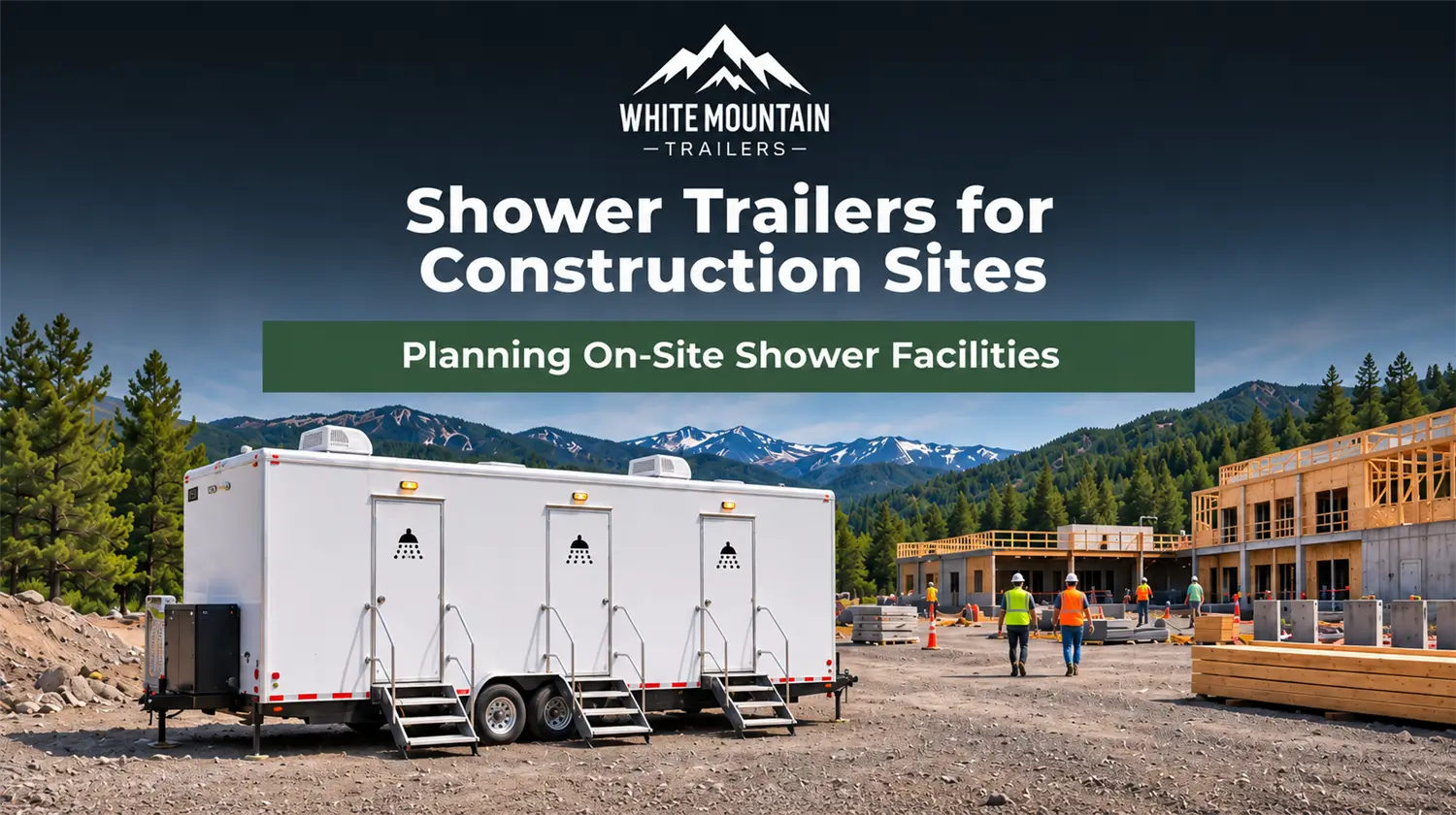
Restroom trailers provide an enclosed facility and may offer additional features depending on the model and configuration. WM Trailers offers portable restroom trailer options in different layouts, including 2-stall, 4-stall, 6-station, and 8-station configurations.
Selected configurations may include flushing toilets, sinks, hot water, climate control, LED lighting, exhaust fans, and other interior features. Availability and specifications should be confirmed for the particular model being considered.
Explore White Mountain Trailers’ portable restroom trailers to review available options.
The comparison should focus on the actual requirements of the project rather than assuming one facility type is right for every jobsite.
4. Evaluate Site Access and Construction Logistics
Restroom placement should be coordinated with the site’s construction plan. Unlike a general facility layout decision, this means considering how the unit will be delivered, positioned, accessed, and maintained while work continues around it.
Before confirming a location, review:
- Whether delivery vehicles can reach the proposed area
- Whether equipment movement or material storage could block access
- Whether workers can reach the facility without entering restricted work zones
- Whether the ground can support the planned placement
- Whether the unit can remain accessible as construction phases change
- Whether service vehicles can reach the facility when required
On a changing jobsite, temporary storage areas, excavation, or new work zones may affect access after the initial setup. The site manager should include restroom access in regular site-layout reviews.
Confirm the trailer’s dimensions and positioning requirements with the provider before delivery.
5. Plan for Water, Wastewater, and Servicing
Restroom facilities may have different water and wastewater requirements depending on their design.
Some units are configured with onboard freshwater and wastewater storage, while others may require connections or a specific operating arrangement. Do not assume every trailer uses the same setup.
Before choosing a unit, confirm:
- Whether the facility requires an external water connection
- How wastewater is collected and removed
- Whether the site has suitable utility access
- What servicing schedule is appropriate
- Who is responsible for cleaning and maintenance
- Whether service vehicles can reach the facility
These questions are particularly important for remote or developing construction sites where utility access may be limited.
The provider should confirm the operating requirements of the selected model and explain what site preparation is needed.
6. Do Not Overlook Handwashing Facilities
Restroom planning should also account for handwashing.
Workers need a practical way to wash their hands after using the restroom and before returning to work or handling materials. Depending on the restroom configuration, sinks may be integrated into the trailer. Some sites may also need separate handwashing facilities in other work areas.
Think about where workers handle food, take breaks, or share equipment. A separate handwashing station may be useful when the restroom facility is not close to those areas.
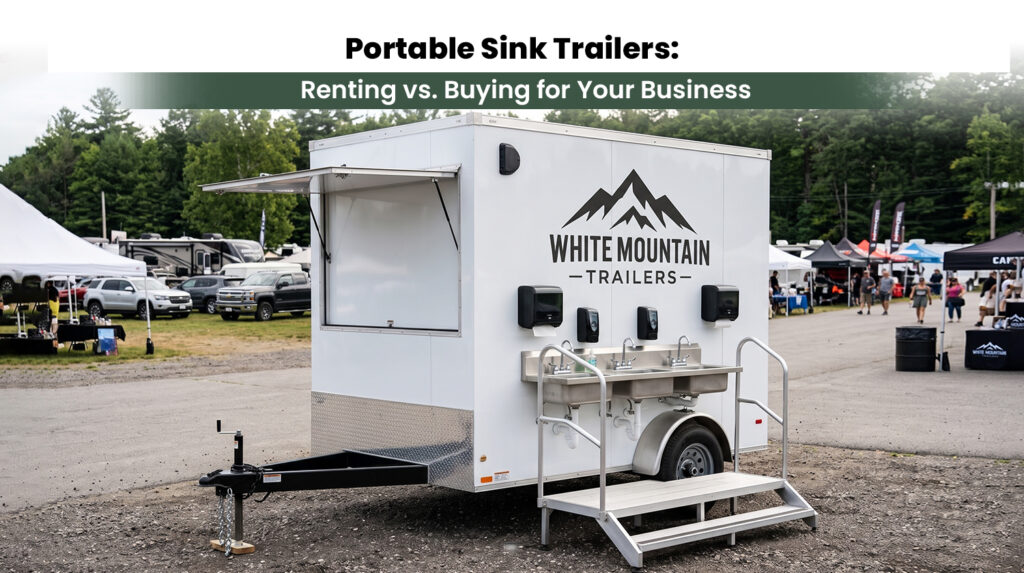
For more information about planning sink facilities on a jobsite, see Portable Sink Trailers for Construction Sites: How to Plan a Jobsite Setup.
7. Review Workplace Sanitation and Accessibility Requirements
Construction employers should review the sanitation requirements that apply to their worksite.
In the United States, OSHA’s construction sanitation standard, 29 CFR 1926.51, addresses toilet facilities and other sanitation requirements for construction work. Employers should consult the current standard and determine which requirements apply to their project and workforce.
Read the OSHA construction sanitation standard when planning jobsite facilities.
Accessibility should also be considered. If an accessible restroom is required, do not rely on a general product description to determine whether a particular trailer meets the applicable requirements. Door width, ramps, interior clearance, grab bars, sink access, and other specifications should be checked against the project requirements and the selected model.
Ask the provider for model-specific information before making a decision.
8. Prepare the Information Before Requesting a Quote
A clear project brief can make it easier to compare suitable restroom options.
Information to prepare | Why it matters |
Workforce size | Helps establish expected usage |
Project duration | Helps determine the required service period |
Site address | Supports delivery and access planning |
Available space | Helps assess placement and dimensions |
Ground conditions | Helps prepare for positioning |
Water and power access | Identifies possible utility requirements |
Accessibility needs | Helps identify suitable configurations |
Servicing arrangements | Supports ongoing operation |
Providing these details early can help avoid selecting a facility that does not fit the site.
Frequently Asked Questions
How many construction site toilets does a jobsite need?
The number of facilities depends on workforce size, work schedules, and applicable sanitation requirements. Contractors should review OSHA requirements and discuss the expected daily and peak workforce when planning the setup.
Are restroom trailers suitable for construction sites?
They can be suitable for projects that need an enclosed restroom facility with a particular layout or additional features. The right choice depends on the site, workforce, project duration, and selected trailer configuration.
What should I check before a restroom trailer is delivered?
Confirm the placement area, ground conditions, access route, available space, utility requirements, and servicing arrangements. The provider should also confirm the selected unit’s dimensions and operating requirements.
Do construction restroom trailers always need water and power connections?
Not necessarily. Requirements vary by model and configuration. Confirm whether the selected unit uses onboard tanks, external connections, or another operating arrangement before delivery.
Can a construction site use an accessible restroom trailer?
Some restroom trailer configurations may offer accessibility features. However, requirements vary by project and applicable standards. Verify the specifications of the particular model rather than assuming every trailer is accessible.
Plan Your Construction Site Restroom Setup
Choosing construction site toilets requires a practical assessment of workforce size, project duration, site access, utilities, and ongoing servicing. Taking time to evaluate these details can help contractors select facilities that fit the way their jobsite operates.
White Mountain Trailers provides portable restroom and custom trailer solutions for a range of applications. If you are planning a construction project in Northern Arizona or elsewhere, contact White Mountain Trailers to discuss your site requirements and explore suitable options.